The Difference Between Using a Phone Stand and Just Propping Your Phone Against Something
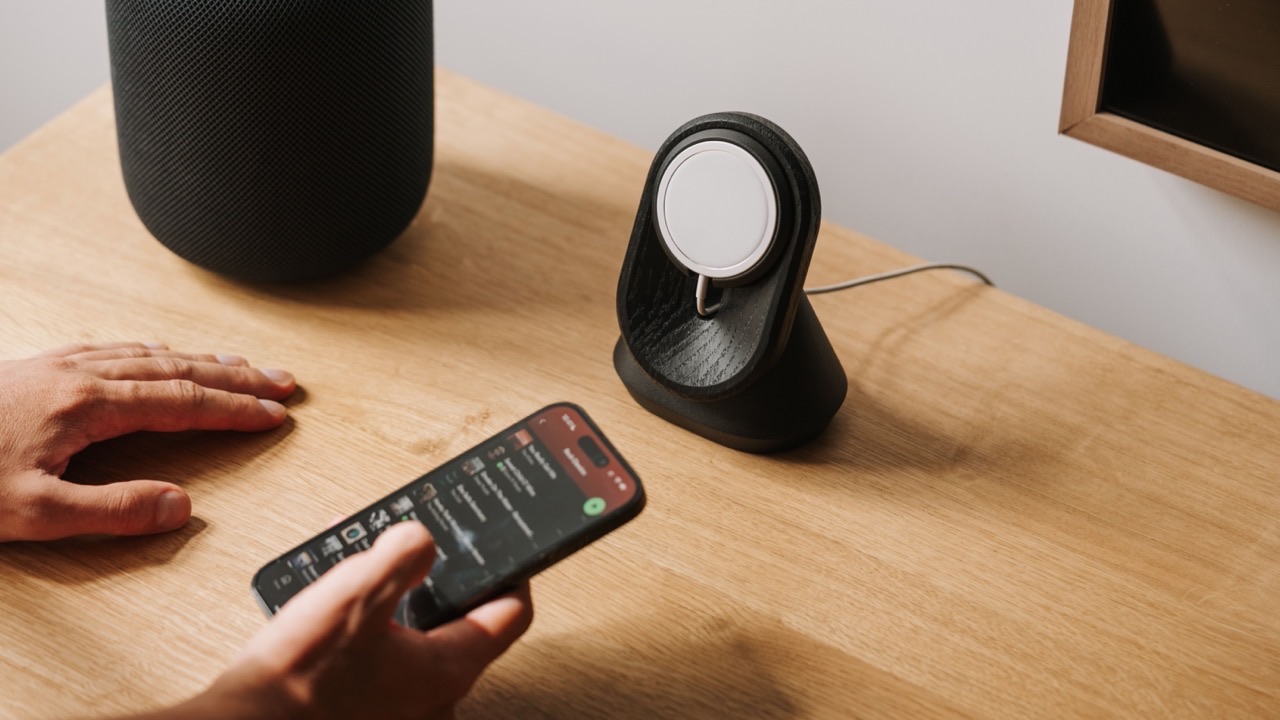
For a long time, I didn’t see the point of a dedicated phone stand. Propping my phone against a water bottle or a book worked fine — the phone was upright, I could see the screen, and I’d avoided spending any money. It took a few weeks of actually using a proper magnetic stand before I understood what I’d been missing, and most of it came down to things I hadn’t thought to consider.
Stability when you need to actually interact with the screen
The core problem with propping a phone against something is that the support isn’t secure. The phone leans against whatever you’ve put it against, and any contact with the screen — scrolling, tapping, swiping — pushes it. Sometimes it just wobbles. Sometimes it falls flat. Either way, you’ve broken your workflow to deal with it.
A proper stand holds the phone from behind, usually with a fixed support point. There’s nothing to knock the phone forward. You can tap a notification, scroll through a message, or skip a song without using your second hand to hold the phone steady. It sounds like a small thing until you notice how often you’re doing it.
With a magnetic stand specifically, the phone attaches to the stand’s surface rather than just leaning against it. The magnetic connection means you can tap anywhere on the screen without the phone moving, because the force of the tap is absorbed by the magnetic attachment, not transmitted through a friction point to an unstable base.
Taking the phone off and putting it back
This is where the difference becomes most obvious in daily use. When your phone is propped against a water bottle and you need it, you pick it up. When you’re done, you set it down again and spend a moment re-propping it against the same object, making sure it’s at an angle that won’t fall. If it falls while you’re not looking, you might not notice until it’s been sitting flat on the desk for an hour.
A magnetic stand removes all of that. You grab the phone with one hand and it comes free immediately. You come back and stick it to the stand — it clicks into place, oriented correctly, held securely. The friction-free attachment and detachment is what makes a MagSafe stand feel different from a regular stand, which usually involves slotting the phone into a cradle or tightening a grip.
After a week of using a magnetic stand, the muscle memory is just: grab phone, use phone, put phone back. No adjustment, no re-propping, no checking that it’s stable.
The angle problem
A book or water bottle gives you one viewing angle — whatever angle the lean happens to produce. It’s usually close enough to usable, but it’s not chosen. You’re not setting an angle for comfortable viewing; you’re accepting whatever geometry the object creates.
A stand with angle adjustment lets you set the height and tilt you actually want. If you’re at a standing desk versus a seated desk, the right angle is different. If you’re using the phone for a video call versus just checking notifications, the right angle is different. With an improvised prop, you’d be moving the prop around to get a different angle. With a stand, you adjust the stand once for your setup and it stays there.
Fixed-angle stands are worth mentioning here too. Even a stand that holds the phone at one specific angle — say, 60 degrees from the desk surface — is still better than improvised propping, because that angle is deliberate and consistent. The phone is always at the same position relative to your eye line, which matters more for comfort than you’d expect.
Charging while it’s in the stand
A bottle or book doesn’t charge your phone. If you’re trying to keep your phone topped up while working, you’d normally plug in a cable — which then has to reach the phone wherever it’s propped, often at an awkward angle, and the cable weight can actually pull the phone out of position.
A magsafe phone stand with a charging puck built in handles both functions simultaneously. The phone attaches to the stand and begins charging with no cable involved. It comes off the stand fully detached, no unplugging required. At the end of the day, the phone’s been sitting in approximately the same charge state without you thinking about it.
For people who use their phones heavily during the day, this is the detail that shifts a phone stand from convenient to genuinely useful. You’re not managing charging as a separate activity — it just happens while the phone is where you’d want it to be anyway.
What actually changes in practice
Using a proper stand versus improvised propping isn’t a dramatic difference in what you can do — you can see your phone screen either way. The difference is in how much mental overhead it takes to do it. With improvised propping, there are small friction points that accumulate: re-propping, picking the phone up carefully so it doesn’t fall, dealing with a cable that’s always in the way. With a stand, those friction points disappear.
That reduction in small frictions is what people are actually describing when they say a better tool “just works.” The stand doesn’t add features. It removes small annoyances that you didn’t consciously notice until they were gone.