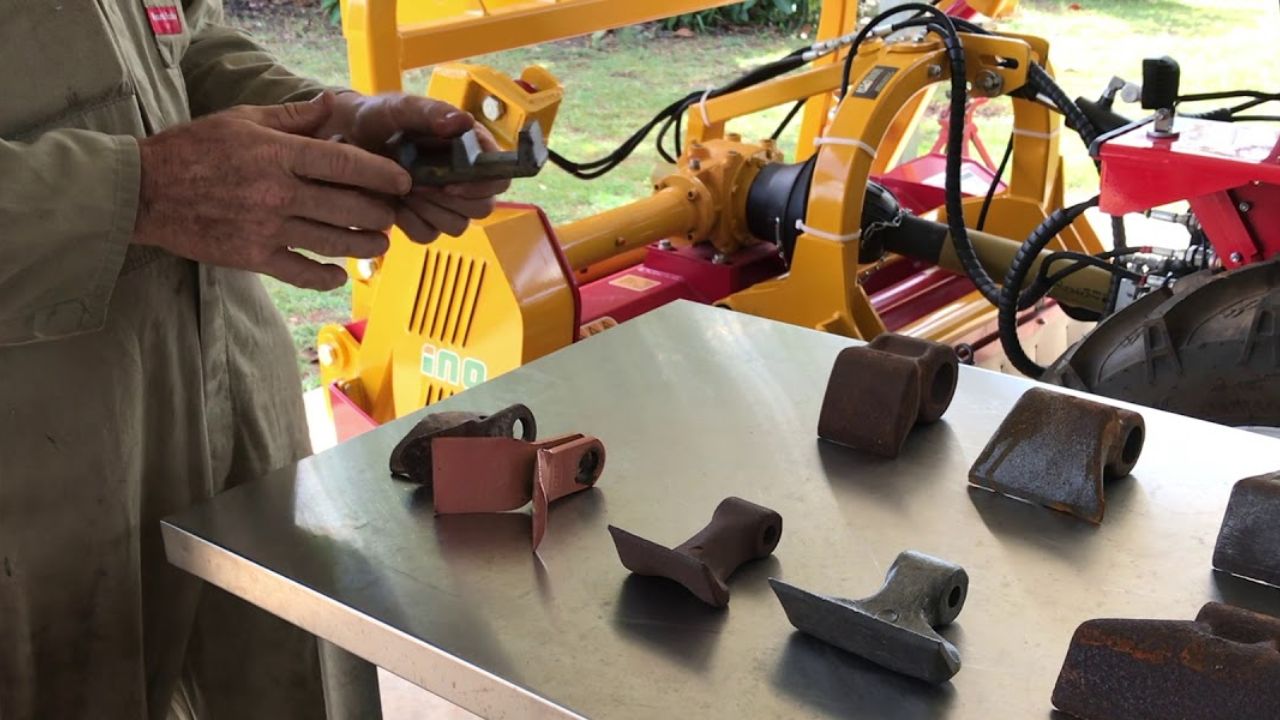
Properly fitted flail mower hammer blades are the key to optimal cutting of the grass, the safety of the equipment and the durability. The flail mower blade hammer is constructed to be used at high rotating speeds and impact, and therefore, its installation is very important. Poorly mounted blades will result in over-vibration, improper cutting and early wear to the blades and the mower itself. The best practice during the installation process can assist in providing reliable functionality and the same outcome in the demanding vegetation management applications.
Understanding Equipment Compatibility Before Installation
The flail mower hammer blade should be installed beforehand, ensuring that it matches the rotor and mount of the mower. The dimensions of the blade, size of the mounting hole, attributes of the bolts, and configuration of the rotor have to conform to the specifications of the manufacturer. Applying blades that do not fit a particular mower may introduce an unbalanced effect and result in unneeded load on the parts of the drivetrain. Premise verification will minimize the possibility of installation problems and contribute to safe and efficient work from the very beginning.
Ensuring Correct Blade Orientation and Placement
The orientation of the cutting blade has a direct impact on the balance and cutting performance. The blades have to be placed as per the direction suggested by the manufacturer so as to have the right rotation and impact. Rotor orientation error may also decrease cutting efficiency and add rotor stress. Spacing of blades over the rotor should also be even. Regular positioning is a way to keep balance and avoid unequal distribution of loads that may result in vibration and mechanical damage during work.
Using Proper Hardware and Torque Specifications
The blades themselves are only as important as the quality and condition of the mounting hardware. Use of high- strength bolts, nuts and bushings that are used with a flail mower should be employed at all times. Recycling of used or damaged hardware predisposes the possibility of loosening or loss of the blade. The right amount of torque to be applied when installing is very important to fix the blades without over-tightening. The correct torque helps in making sure that the blades can swing freely in case they are made to swing freely and be firmly attached when using it.
Balancing the Rotor for Smooth Operation
One of the elements that determines the performance of flail mowers is rotor balance. Fitting hammer blades in pairs and keeping the weight balanced equally on all sides of the rotor are some of the methods that can be used to attain smooth rotation. Any imbalance can lead to vibration, decrease the efficiency of the cutting, and increase the rate of wear of bearings and shafts. Once installed, it is advisable to turn the rotor manually and observe the movement of the blades so as to detect possible problems in terms of balancing before the mower is brought into service.
Post-Installation Inspection and Testing
Once the hammer blades are in place, a thorough inspection is to be performed. All bolts are to be re-examined with regard to the correct torque, and the movement of blades needs to be checked to determine that no binding or interference takes place. To test mower behavior, the preliminary tests should be carried out at low operating speeds. The speed can be boosted gradually to enable the operators to notice abnormal vibration or noise at a low rate, hence limiting the chances of damaging the machine throughout the entire operation.
Ongoing Maintenance After Installation
Correct installation is not the only part of ensuring a long performance. Frequent checking of hammer blades and mounting material can be used to detect wear or loosening before it becomes a problem. Bolts should be periodically re-torqued, and worn parts should be changed in time to ensure maximum cutting efficiency. Regular service after installation will aid in the increased service of the blades, and the flail mower will not be subjected to undue mechanical stress.
Conclusion
The installation of the flail mower hammer blades should be done in accordance with the best practices of safe, efficient, and reliable operation. Compatibility, preparation, orientation, quality of the hardware, and balance are all taken into consideration to ensure that the mower can work as desired in the challenging environment. Proper installation enhances cutting performance, minimizes the cost of maintenance, and increases the life cycle of equipment. Through these best practices, the operators will be able to deliver the same level of performance and get the best out of the flail mower hammer blades.
